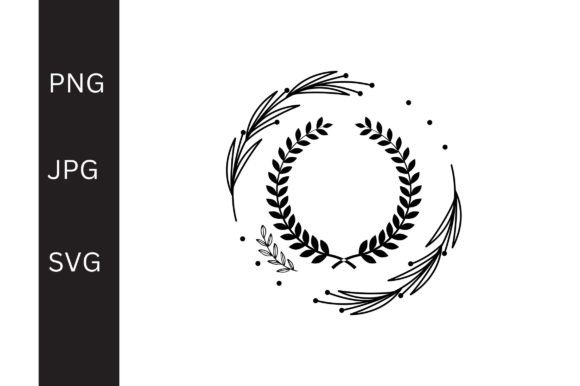
Premium Monogram Review: Real-World Embroidery Testing
When I receive a new design asset to review, my first instinct is rarely about how it looks on a screen. As an embroidery designer and product reviewer, I am immediately thinking about thread tension, fabric distortion, stitch density, and the final tactile experience of the Premium Monogram. We live in an era where digital files are sold as easily as physical goods, but the bridge between a vector file and a stitched reality is built on technical precision and aesthetic judgment. Today, I am putting Premium Monogram through its paces to see if it holds up under the needle, specifically for those of us running small craft businesses or creating high-end personalized gifts.
The First Impression: Visual Personality and Layout
Opening the Premium Monogram file, the immediate takeaway is its clean, confident structure. In the world of machine embroidery, monograms can often feel either too rigid or overly ornate, depending on the font choice. This design strikes a balance that feels modern yet timeless. The shapes are distinct, which is crucial because clarity is king when thread replaces pixels. The layout suggests a versatile personality—it is professional enough for corporate branding but warm enough for a nursery decor item.
From a graphic design perspective, the negative space is handled well. This is not just about aesthetics; it is about functionality. When we convert this into an embroidery project, the spaces between the letters must be large enough to prevent thread from tangling or the fabric from puckering. Visually, it exudes a sense of quality. If you are an Etsy seller looking to upgrade your shop’s visual appeal, this design has the "premium" look that justifies a higher price point without needing excessive embellishment.
Real-World Application: The Custom Tote Bag Scenario
To truly test any machine embroidery design, I need to imagine it on a real product. Let’s consider a common scenario: preparing a custom embroidered tote bag for a boutique client. This is a staple item for many craft business owners. It needs to be durable, legible, and visually striking from a distance.
Using Premium Monogram on a canvas tote changes the dynamic. Canvas is a textured fabric, meaning the stitches will sit slightly differently than they would on smooth cotton. Because the design relies on strong vector shapes, it translates beautifully to this medium. The bold lines hold their own against the coarse weave of the bag. I envision this placed centrally on the front panel, perhaps in a contrasting thread color like navy on natural canvas or cream on black.
For the customer, this isn't just a bag; it is a statement piece. The personalization aspect adds value, transforming a generic accessory into a personalized gift or a branded marketing tool. When the design is executed cleanly, it signals professionalism. Buyers trust products that show attention to detail, and a well-stitched monogram is the hallmark of quality craftsmanship.
Performance Across Different Product Categories
While the tote bag is a strong candidate, the versatility of Premium Monogram extends far beyond bags. Its adaptability makes it a valuable asset for various custom apparel and home decor items.
- Sweatshirt Embroidery: On the chest of a crewneck sweatshirt, this design offers a subtle yet sophisticated touch. It works particularly well for holiday embroidery projects or university-style merch where brand identity matters.
- Baby Embroidery: For onesies or burp cloths, the clean lines are gentle and appealing. Parents love personalized baby items, and a crisp monogram feels both cute and elegant. However, care must be taken with hoop size to ensure the design fits comfortably on smaller garments.
- Embroidered Patches: Creating a detachable patch is another excellent use case. The defined edges of the Premium Monogram make it ideal for applique techniques or dense fill stitches, allowing it to stand out as a standalone badge on denim jackets or caps.
- Kitchen Towels and Aprons: For the handmade product market, kitchen textiles are popular. A monogram here adds a touch of class to everyday items. It elevates a simple tea towel into a thoughtful wedding gift or housewarming present.
Where to Exercise Caution
No design is perfect for every situation, and being honest about limitations is part of responsible reviewing. There are specific scenarios where Premium Monogram might require extra attention or alternative approaches.
First, consider small hoop sizes. If you are working on tiny accessories like hair bows or miniature patches, the details within the monogram might become lost. Fine threads can blur together if the scale is too small, resulting in a muddy appearance rather than a sharp logo. Always check the minimum recommended dimensions before committing to a small production run.
Second, fabric texture plays a huge role. On highly textured fabrics like chunky knits or boucle wool, the stability of the design can be compromised. The needle may struggle to penetrate evenly, leading to skipped stitches or uneven tension. Similarly, on stretchy fabrics like jersey knit, improper stabilization can cause the monogram to distort after washing. This is why using the correct stabilizer is non-negotiable.
Additionally, dark fabrics pose a challenge if the default thread colors are light. While the design allows for easy color changes, ensuring sufficient contrast is vital for readability. A pale yellow monogram on a black background might look stylish in a mockup but fail to pop in person. Test your thread colors against your actual fabric swatches.
Technical Considerations for the Designer
As someone who values efficiency and quality, I appreciate that Premium Monogram comes in multiple formats, including PNG, JPG, and SVG. This flexibility is a significant advantage for digital product sellers and design assets creators. The SVG format ensures that the design remains scalable without losing quality, which is essential for preparing files for different hoop size requirements.
Before uploading this to your embroidery machine, I strongly advise conducting a few practical tests. Start by stitching the design on scrap fabric that matches the weight and stretch of your final product. This helps you assess the stitch density and identify any potential issues with thread breaks or tension adjustments.
Another useful tip is to view the design in black and white. Sometimes, color distractions hide structural flaws. If the monogram reads clearly in grayscale, it will likely perform well in any color combination. Also, inspect the corners and curves closely. Are there any areas where the design might bunch up? Adjusting the placement or adding a tear-away stabilizer can mitigate these risks.
Final Verdict: Is It Worth Adding to Your Library?
In conclusion, Premium Monogram is a solid, reliable addition to any embroidery designer’s toolkit. It excels in creating a sense of professionalism and personalization across a wide range of products, from tote bag design elements to commercial embroidery branding. Its clean aesthetic and adaptable nature make it suitable for both hobbyists creating unique gifts and small shop owners scaling their merchandise.
However, success depends on execution. The best design file cannot compensate for poor technique. Ensure you are using high-quality threads, appropriate stabilizers, and calibrated machines. By paying attention to these details, you can transform a simple digital file into a cherished finished product that customers will love and recommend.
If you are looking to elevate your craft business offerings with designs that convey quality and care, Premium Monogram delivers. It is a testament to the fact that good design is not just about how it looks on a screen, but how it feels in your hands—and on your customer’s belongings.